UNEARTHED
In the realm of diamonds, the famous 4Cs—Cut, Color, Clarity, and Carat—have long served as the gold standard for evaluating these precious gemstones. But what about lab-grown diamonds? Are they subjected to the same rigorous grading criteria? The answer is a resounding YES! Each lab-grown diamond undergoes meticulous assessment by professionals, known as gemologists, who evaluate the stone based on the 4Cs.
We know that studying the 4Cs in-depth can be both fascinating and daunting. That’s why we created this ultimate guide—in it, you will discover exactly what you need to know to find the lab-grown diamond engagement ring of your dreams.

Now, let’s dive deeper into each of the 4Cs, starting with Cut, to uncover the secrets that make lab-grown diamonds shine.
Cut: The Masterpiece of Brilliance
The cut of a diamond is often regarded as the most critical factor in determining its beauty. It refers to how well a diamond’s facets interact with light, creating brilliance, fire, and sparkle. In lab-grown diamonds, precision cutting is paramount to ensure optimal light performance.
Key Factors in Evaluating Cut
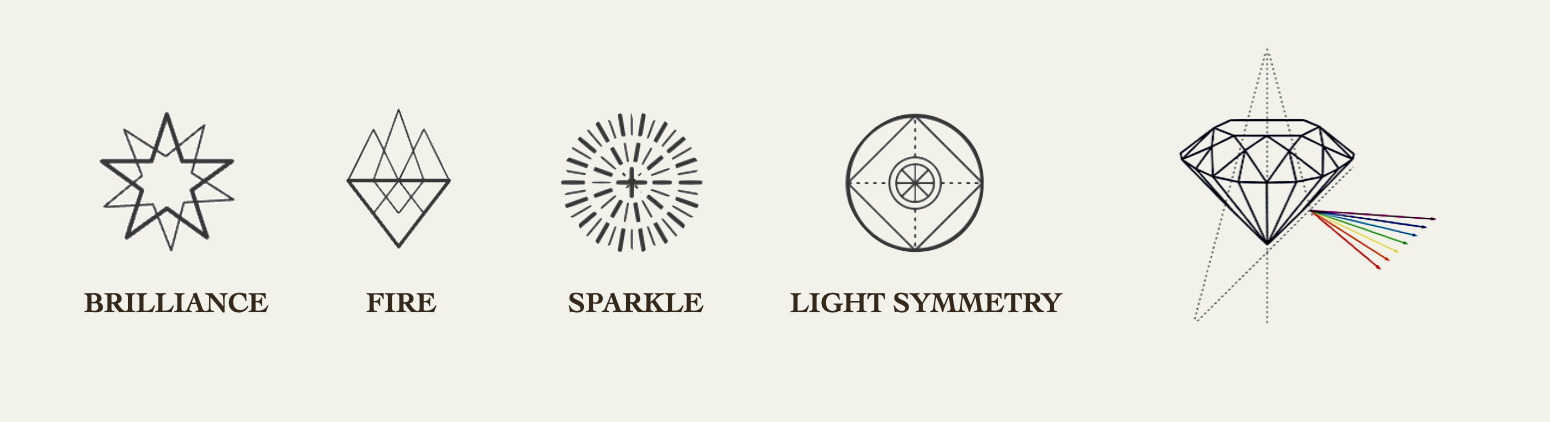
Brilliance, fire, sparkle, and light symmetry are the 4 key parameters used to evaluate the cut of a diamond. Brilliance refers to the white light reflected from the diamond’s surface, while fire is the dispersion of light into spectral colors. Sparkle encompasses the overall liveliness and vibrancy of the diamond. Light symmetry ensures that light enters and exits the diamond uniformly, maximizing its brilliance.
Impact of Cut on Different Diamond Shapes
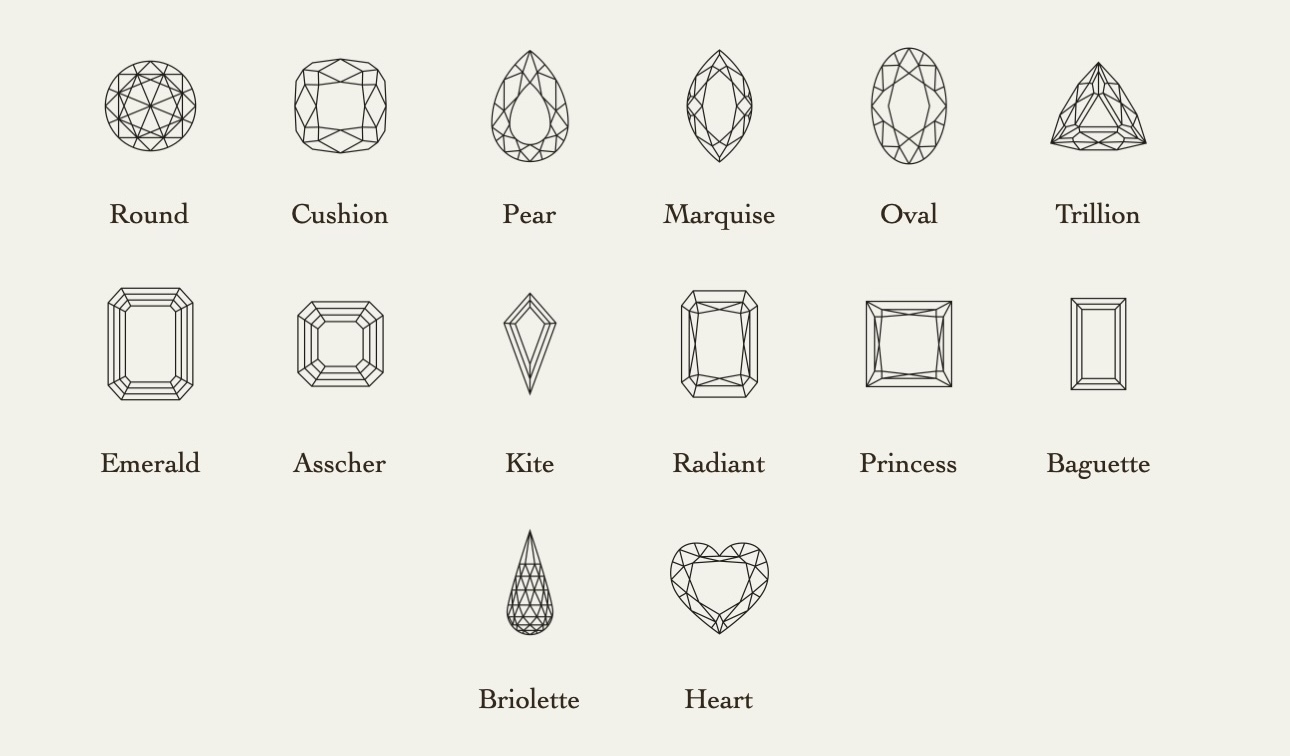
Different diamond shapes exhibit these characteristics differently. Brilliant-cut shapes like the Round Brilliant, Cushion, Oval, Marquise, Pear, and Trillion shapes are known for their ability to reflect light from multiple angles, enhancing brilliance and sparkle. Conversely, step-cut shapes like the Emerald or Asscher emphasize transparency and require precise cutting to optimize brilliance.
The Science Behind Light Performance Grading
Light Performance Grading is a scientific method used to measure a diamond’s brilliance, fire, sparkle, and light symmetry. It considers factors such as the diamond’s proportions, symmetry, and polish quality. By analyzing these parameters, gemologists can determine the overall quality of a diamond’s cut and its ability to reflect light effectively.
Choosing the Perfect Cut
When selecting a lab-grown diamond, prioritize the cut to ensure maximum brilliance and sparkle. Look for diamonds with excellent light performance grades, indicating superior cut quality. Remember that a well-cut diamond will showcase its beauty to the fullest, making it a dazzling centerpiece for any jewelry piece.
Examples of Cut’s Impact
For example, a well-cut Round Brilliant diamond will exhibit a stunning display of brilliance and sparkle, making it a popular choice for engagement rings. On the other hand, an expertly cut Emerald diamond will emphasize transparency and clarity, perfect for sophisticated and elegant jewelry designs.
Now, let’s explore the next essential aspect of lab-grown diamonds: Color.
What Is Color?
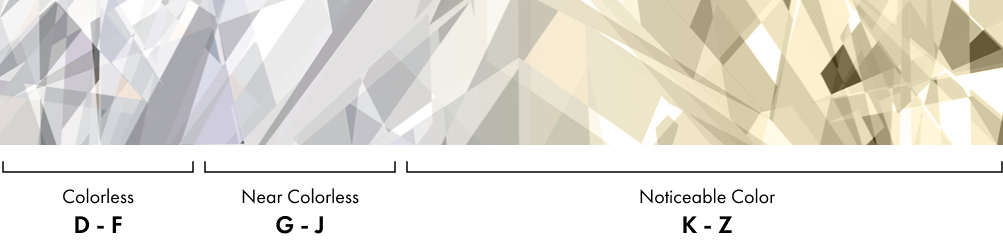
Color is often considered the second most critical factors in determining a diamond’s beauty and value. It refers to the absence of color in a diamond, with truly colorless diamonds being the rarest and most valuable. The Gemological Institute of America (GIA) established the diamond color scale from D (colorless) to Z, where slight yellow or brown hues become more apparent. The decision to start the scale at D was made by the GIA to eliminate confusion and establish universal standards for diamond grading.
How Is Diamond Color Graded?
Gemologists grade diamond color by comparing each diamond to a master set of diamonds under controlled lighting conditions. The presence and intensity of color are examined both face-up and table-down to ensure accuracy. While most color variations are invisible to the naked eye, gemologists use specialized tools like a dichroscope for precise evaluation.
Selecting Diamond Color
When choosing diamond color, consider personal preferences, budget, and ring setting. While D color grade diamonds are the highest quality, they may not be necessary for everyone. Budget constraints and the desired appearance of the diamond should guide your decision.
Factors To Consider
Ring Setting
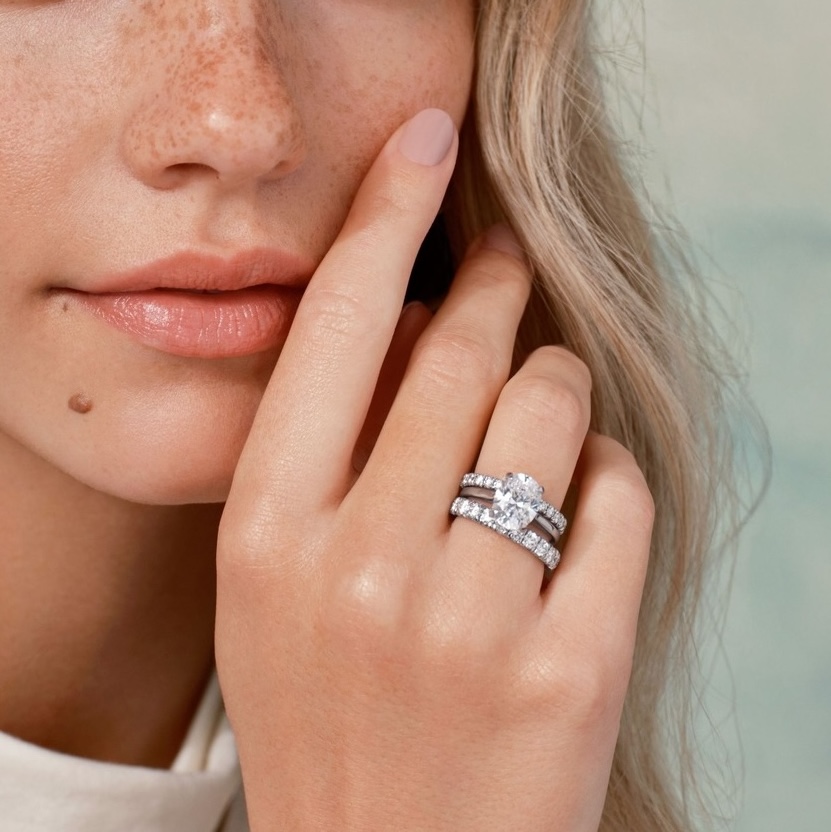
The metal color of the ring setting can affect how the color of a diamond appears. Yellow or rose gold settings can offset yellow hues in diamonds, while white gold or platinum settings can emphasize them. If you like a white gold or platinum setting, prioritize a higher color grade to ensure the diamond appears clear.
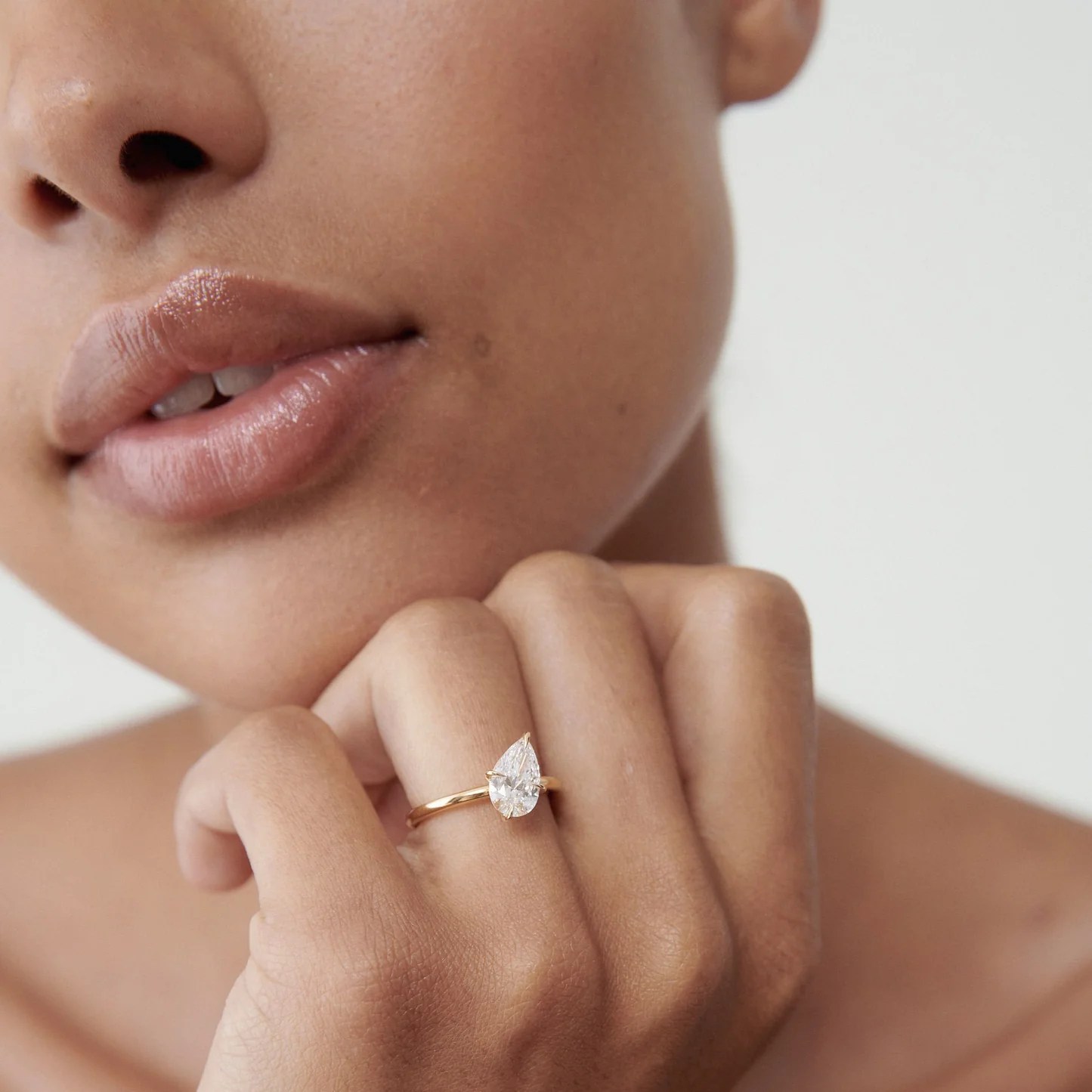
Diamond Shape
Certain diamond shapes with larger face-up sizes, like the oval or marquise, often show more color, while emerald shapes tend to hide color and can tolerate a lower color grade.
Carat Weight
Smaller diamonds, typically less than 1 carat, can accommodate lower color grades without compromising their appearance. However, larger diamonds may benefit from colorless or near colorless grades to maintain their brilliance.
Understanding these diamond color nuances empower buyers to select the ideal diamond that aligns with their preferences and budget. Whether prioritizing colorless brilliance or seeking value with a hint of warmth, the right diamond color enhances the overall beauty and allure of the gemstone.
Clarity: The Window to Perfection
Out of all the 4Cs of lab-grown diamonds – Clarity is the “C” most obscured to the naked eye. Most diamond lovers rely on gemologists to define it on a diamond clarity chart. But even then, any grade beyond “flawless” can be difficult to understand.
Understanding Diamond Clarity
Diamond clarity refers to the visual purity of a diamond and is determined by its number of inclusions and blemishes. Clarity is difficult to notice without the help of a magnifier. The GIA assesses diamond clarity based on the presence, size, and visibility of these internal and external imperfections.
What Is a Diamond Clarity Chart?
Five factors are considered when assigning a diamond’s clarity grade: the size and number of imperfections, their position within the diamond, how they impact its durability, and the noticeable contrast between the imperfections and the diamond itself.
Here’s a breakdown of common clarity grades:
- Flawless (FL): No internal or external imperfections visible to a skilled grader under 10-power magnification.
- Internally Flawless (IF): Internally flawless but may have small surface blemishes visible under magnification.
- Very, Very Slightly Included (VVS1/VVS2): Tiny inclusions that are difficult to see even under magnification.
- Very Slightly Included (VS1/VS2): Minor inclusions that range from difficult to see (VS1) to easier to see (VS2) under magnification.
- Slightly Included (SI1/SI2): Inclusions that are easy to see under magnification but may not be visible to the naked eye.
- Included (I1/I2/I3): Inclusions that are visible to the naked eye and may affect transparency and brilliance.

How Important Is Clarity in a Diamond?
Inclusions occur naturally during the diamond growth process and are what make each diamond unique. While flawless diamonds are rare and valuable, the majority of diamonds will have slight inclusions or imperfections. While these imperfections are often invisible to the untrained eye, clarity is still important to the overall brilliance of a diamond. Internal spots and lines can affect how light passes through the stone, obstructing refraction and diminishing brilliance.
Selecting Diamond Clarity
The higher the clarity grade, the more you can expect to pay for a diamond. However, there is some opportunity to save when selecting clarity, as imperfections are less visible to the naked eye. The best value is found in diamonds with inclusions that can’t be seen under magnification (VS level).
Factors Affecting Diamond Clarity
Carat Weight
Larger diamonds may show inclusions more prominently. Consider increasing clarity grade as carat weight increases to maximize brilliance.
Diamond Shape
Some shapes, like brilliant cuts (Round, Oval, Cushion), may mask inclusions better than step cuts (Emerald, Asscher), which emphasize transparency.
Understanding diamond clarity empowers buyers to make informed decisions based on their preferences, budget, and desired appearance. Whether prioritizing flawless beauty or seeking value with minimal visible inclusions, clarity plays a vital role in the overall quality of a diamond.
Carat: The Bold Statement
Okay, onto the last C! Carat weight refers to the size and weight of a diamond, with one carat equivalent to 0.2 grams. While carat weight is often associated with size, it also influences a diamond’s rarity and value. Larger diamonds are generally more desirable and command higher prices.
Selecting the Right Carat Weight
When choosing a lab-grown diamond, consider your personal preferences, budget, and desired ring setting. While larger diamonds may make a bold statement, smaller diamonds can also be elegant and sophisticated. Keep in mind that larger diamonds may require higher clarity grades to maintain their brilliance and scintillation. Additionally, certain diamond shapes may appear larger or smaller than their actual carat weight due to variations in proportions and dimensions.

Impact of Carat Weight on Price
Carat weight has a direct impact on a diamond’s price, with larger diamonds generally commanding higher prices per carat. However, pricing is also influenced by other factors such as cut, color, and clarity. It’s essential to strike a balance between carat weight and other quality factors to ensure you get the best value for your budget. Consider exploring different combinations of carat weight and quality factors to find the perfect lab-grown diamond for your needs.
Considering the 4Cs: Prioritizing Your Preferences
What C is most important?
A diamond’s cut usually stands out as the most important factor among the 4Cs. It significantly influences a diamond’s brilliance, directly impacting how light interacts with the stone. An excellently cut diamond will dazzle, reflecting and refracting light to reveal its full beauty. Conversely, a poor cut can diminish a diamond’s sparkle, making it appear smaller or duller. Keep in mind that the cut affects not only the diamond’s appearance but also its color, clarity, and carat weight.
If You Can Compromise One C, Which One Would It Be?
Out of the 4Cs, we would suggest to compromise on clarity. Up to Slightly Included (SI), you will not be able to see inclusions or blemishes unless looking at the stone under 10x magnification, meaning that it is “eye clean”. On the other hand, try to select an Excellent cut diamond to ensure impeccable quality and exceptional fire and brilliance, which can enhance the overall appeal of the diamond and overpower the carat weight or color of any stone. Remember, education is key—take the time to understand the diamond grading process and seek out reputable jewelers to ensure you’re getting the best value for your diamond ring.
Subscribe
Join our newsletter to stay updated on all things


 Grit to Gleam
Leave a comment!